

Industry 5.0: The realization of adaptive problem solving in manufacturing
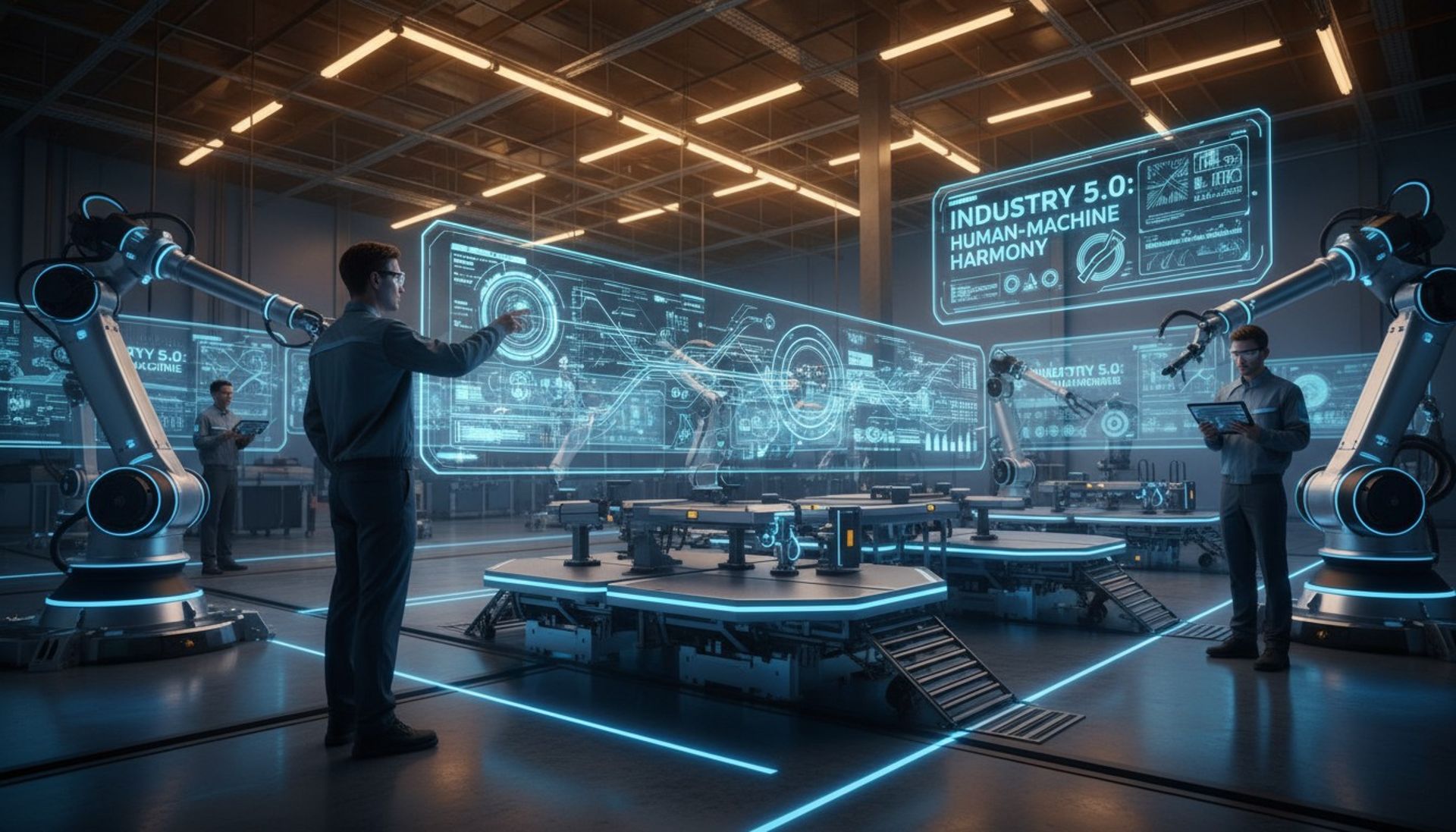
Industry 4.0 sought to revolutionize the manufacturing sector by integrating advanced technologies such as the Internet of Things (IoT), Artificial Intelligence (AI), and Big Data. However, the implementation and realization of these innovations have been slow, particularly in existing legacy capital assets that dominate global manufacturing shop floors.
Although new machinery manufacturers have included these technologies as additional features, it is expected to take decades for capital equipment to be replaced and for the full potential of Industry 4.0 to be achieved through the natural refresh cycle. The limited extensibility and adaptability of existing legacy manufacturing shop floors, exacerbated by the complexities of regulated Good Manufacturing Practice (GMP) environments, appear to be the most significant challenges to overcome.
As we approach the dawn of Industry 5.0, it is crucial to consider whether it will be a mere passing trend or the ultimate manifestation of adaptive problem-solving within manufacturing.
Adaptive problem-solving is a critical component of Industry 5.0. This approach involves utilizing cutting-edge technologies to identify and address issues in near real-time, allowing manufacturers to rapidly adapt to dynamic problem-solving. A successful implementation of this method requires a synergistic relationship between humans and machines, where human creativity and problem-solving expertise are enhanced by the data and analytical capabilities of machines.
Currently in its early stages, the widespread adoption of Industry 5.0 within the manufacturing sector remains uncertain. However, given its array of potential benefits, it is highly likely that an increasing number of manufacturers will explore the opportunities presented by Industry 5.0 in the near future.
In conclusion, Industry 5.0 signifies a major shift in the manufacturing industry, transitioning from a "build to last" approach with large, monolithic automations to a "build to adapt" approach with adaptable automations and robots. While challenges remain, the journey is more feasible due to the adaptive and iterative nature of implementations.
Comments
Related Posts
 Article
The Continued Experiments of Humanity
As the United States approaches its 250th anniversary, it is worth pausing to reflect on a broader reality: humanity has been running parallel experiments in governance for over a century.
 Article
The Anatomy of Corporate Culture: How to Build and Sustain What Truly Matters
Corporate culture is often heralded as the backbone of organizational success, yet it remains an elusive concept for many leaders. It is more than ping-pong tables and free lunches.
 Article
Change Management - The Most Prominent Member of the Corporate Vocabulary Landfill
For far too long, change management has been the go-to buzzword in corporate corridors. It is a shimmering smokescreen that obscures the real challenge: the hard work of actually changing.